


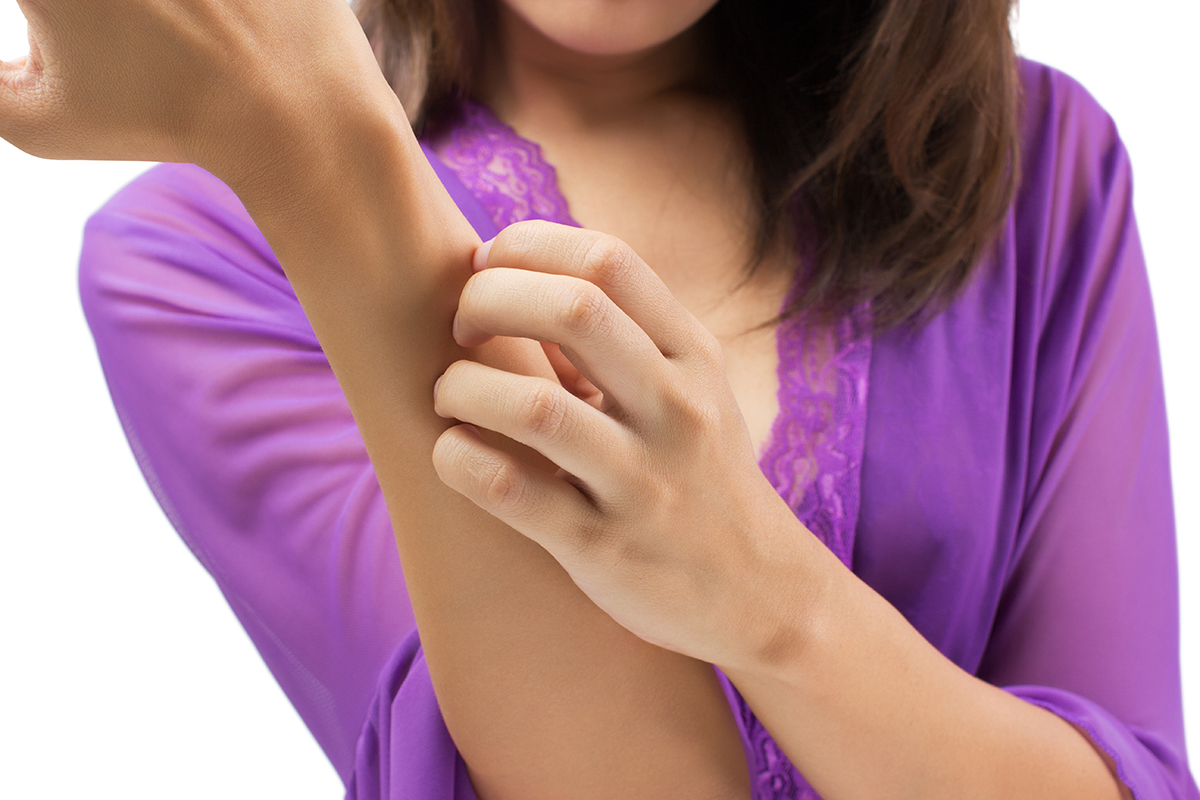
Skincare Products to Alleviate Dermatitis
14 July 2017
Dermatitis, also known as eczema, is a common skin condition that causes the skin to become inflamed, itchy and red. There are several types of this disorder that can range from mild to severe. While some say there is no cure, there are plenty of things you can do to alleviate the symptoms and keep dermatitis at bay.
In this guide, we’ll take you through everything you need to know about the condition, what to do to make it better and what you should avoid.
Common symptoms and treatment
Typical symptoms of dermatitis are redness of the skin, itchiness, a burning rash and blisters. As this is a medical condition, you should always talk to a doctor when seeking treatment. Usually, this will involve medication which will aim to control the itch, heal the skin and prevent flares and infections.
There are different types of dermatitis. Some are allergic, which are triggered by substances and produce an allergic reaction, contact dermatitis (triggered by chemicals), and others. Even though there are different causes and variations of the condition, there are lots of tips and things you can do besides medication to keep dermatitis at bay and lessen its symptoms.
Everyday tips to manage dermatitis
Looking after your skin thoroughly and on a daily basis is one of the main things you can do to alleviate dermatitis symptoms. More importantly, making sure your skin is never dry is highly important, as dry skin can worsen the condition.
1. Hydration is key
We can’t stress enough how important it is to keep your skin hydrated when it comes to fighting off dermatitis. Some of the things you can do are:
- Bathe only in warm water: As hot water dries out your skin, opt for lukewarm or warm water for showers and baths.
- Soak: Making baths a regular thing is actually quite beneficial for dermatitis. If you can soak in lukewarm water for at least 10 minutes, that’ll make a huge difference in keeping your skin hydrated.
- Avoid too much soap and oils: When bathing, you may want to steer clear of too much soap, some bath oils and bath salts. These can be quite potent at times, and can irritate your skin easily. They can also reduce your skin’s ability to absorb water.
- Don’t wash your hands too often: the more you wash them, the more they can get irritated! So wash them only when it’s really necessary to do so.
- Drink lots of water: The key to good hydration is always to drink a lot of water, and also to avoid dehydrating beverages such as coffee.
- Use a hydrating moisturiser and overnight mask: Using a hydrating moisturiser mask to restore dehydrated skin can be just the thing. The History of Whoo Gongjinhyang Soo Hydrating Overnight Mask is perfect to assist with this.
2. No more skin irritants
- Say bye to soap: As we mentioned before, soap can irritate your skin. In lieu of soap, try a more gentle, non-drying cleanser. However, for some body parts, soap use is still OK, such as the underarms, groin and feet.
- Be careful of perfumes: Perfumes, which contain alcohol, can be extremely irritating to your skin.
- Dry yourself carefully: When drying yourself after a bath or a shower, instead of just brushing the towel against your skin, gently pat it, leaving your skin a little bit damp.
- Check your bedding: Some sheet fabrics can be too rough on your skin, especially on your face. Choose a set of specialty soft sheets.
- Use fragrance-free detergent: Some fragrances or detergents are too strong, and can make your skin react badly. It’s always safer to use a very mild detergent, made for sensitive skin or babies.
- Dry areas: Places with low humidity can be confronting to your skin. If you live in an area that’s mostly dry, you’ll have to step up your moisturising game. The History of Whoo Gongjinhyang Soo Camellia Moisturising Oil can assist with keep your skin dewy and fresh.
- Sun: Sunburn will only make dermatitis worse. Protect your skin from the sun at all times.
- Clothing: Be careful of what you’re wearing. Some woolens, synthetic fabrics and acrylics can be super rough on the skin. Opt for cottons or cotton blends, and make sure to give them a wash before wearing them for the first time, to wash any unwanted chemicals the garments may have. In addition, make sure to rinse thoroughly for any detergent excess.
- Wear gloves when cleaning: If you’re doing the dishes or cleaning the house with chemical products, always wear protective gloves. Some types of dermatitis can occur when the skin has contact with heavy chemicals, like bleach.
- Say bye to body scrubs: No more scrubbing skin in the shower! These scrub bushes will only aggravate the condition.
3. Use moisturisers
Daily use of moisturisers is key to treating dermatitis. Ideally, you’d want to apply moisturiser around three or four times a day to keep your skin hydrated at all times. Apply a light lotion straight away after you’ve showered in the morning, and reserve the thicker ointments for night-time.
- Use a moisturising cleanser such as The History of Whoo Jinyulyang Essential Moisturising Cleanser to prevent your skin’s natural oils from being stripped away by harsh cleansers.
- The History of Whoo Gongjinhyang In Yang Balancer is the perfect product to assist with moisturising and softening dry skin. It supplies water essence to the skin in order to maintain a clear and firm appearance.
- For a gel-like moisturising cream designed to improve the clarity and dispersion of moisture within your skin, you can’t go wrong with The History of Whoo Gongjinhyang Soo Soo Yeon Jin Cream. Gongjinhyang Soo is a royal court Oriental hydration line that moisturises the skin through the addition of ‘cheonggiiksudan’, which fills the skin with a pure spirit like oxygen, and ‘eunhasoo’, which supplies purified moisture to the skin.
4. Keep your house clean
As there are types of dermatitis that appear as an allergic reaction to pollen, dust mites, animal dander, animal hair and mold, be sure to keep your house clean at all times, especially by vacuuming. Just remember to wear gloves when cleaning with chemicals, to protect your skin.
5. Lead a stress-free life
As in, do your best to find relaxation and give yourself some TLC! We know that nowadays it’s pretty hard to have a completely stress-free life, but the appearance of some types of dermatitis is directly linked to emotions and stress levels. By finding time to unwind and relax, you’ll not only be helping your soul, but also your dermatitis.
6. Avoid sweating too much
It’s not like you can tell your sweat glands to take it slow, but if possible, avoid activities that make you sweat too much, as it can worsen the symptoms of dermatitis by increasing itchiness and the need to scratch. Because of this, swimming is a great activity to do exercise-wise. Just be aware of the products they use in the pool to keep the water clean – especially if they use harsh chemicals. A sea pool can be a better choice.
In addition, making sure your clothes are flowy and ventilated also helps with managing your sweat levels.
Keeping your dermatitis in check
Dermatitis can be a frustrating and delicate skin condition that can be hard to manage. However, we hope that these tips can help lessen its symptoms and help you to understand what products and home remedies you can use to make the condition a bit better!
Remember, the three most important things are to keep your skin moisturised at all times, stay away from irritants such as harsh chemicals, soaps, detergents and allergens, and finally to only choose quality products like those offered by The History of Whoo.



LG Household & Health Care Ltd. Copyright © 2017. All Rights Reserved.